Environmental Chronology: Early Holocene & First Human Settlement (ca. 5200 BCE)
Environmental Chronology: Early Holocene & First Human Settlement (c. 5200 BCE) – An immersive timeline tracing Malta’s earliest human presence, from Mesolithic hunter‑gatherer voyagers arriving ~8500 years ago via open‑sea navigation, through Neolithic settlement in the Għar Dalam phase, vegetation dynamics, coastal adaptation, and initial forest clearance shaping Malta’s developing landscapes.
The Early Holocene & First Human Settlement of the Maltese Islands (ca. 5200 BCE) was a transformative period that marks the arrival of humans and the beginning of significant ecological change after thousands of years of relatively stable, post-glacial natural development.
Neolithic settlers from Sicily (Stentinello culture) introduce farming
Għar Dalam Phase
ca. 5200–4500 BCE
Earliest cultural phase in Malta, named after the cave where evidence was found
Pre-Human Natural Environment (Before 5200 BCE)
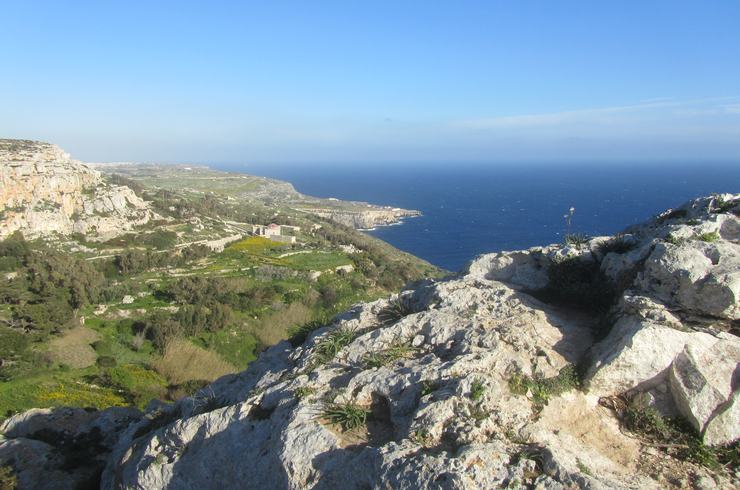
Climate & Geography
Mild Mediterranean climate (warmer and wetter than today).
Sea levels rising after the Last Glacial Maximum (~120 meters lower in 20,000 BCE).
Maltese islands had already become isolated from Sicily by about 10,000–9000 BCE.
Flora
Pollen records suggest:
Mixed woodlands: Holm oak (Quercus ilex), Aleppo pine (Pinus halepensis), carob, wild olive, lentisk.
Maquis and garigue vegetation common on ridges and shallow soils.
Fauna
Native species prior to humans:
Dwarf elephants (Palaeoloxodon mnaidriensis) and hippos (extinct ~10,000 BCE).
Small mammals: shrews, dormice.
Migratory birds, reptiles, amphibians.
No large predators or herbivores remaining after the Pleistocene.
Conclusion:
Malta was a relatively wild, wooded, and biodiverse archipelago with no significant large mammals at the time of first human contact.
First Human Arrival: Neolithic Colonists (~5200 BCE)
Origin & Culture
Settlers came from Sicily, likely part of the Stentinello culture.
Brought:
Farming knowledge
Domesticated plants and animals
Pottery and stone tools
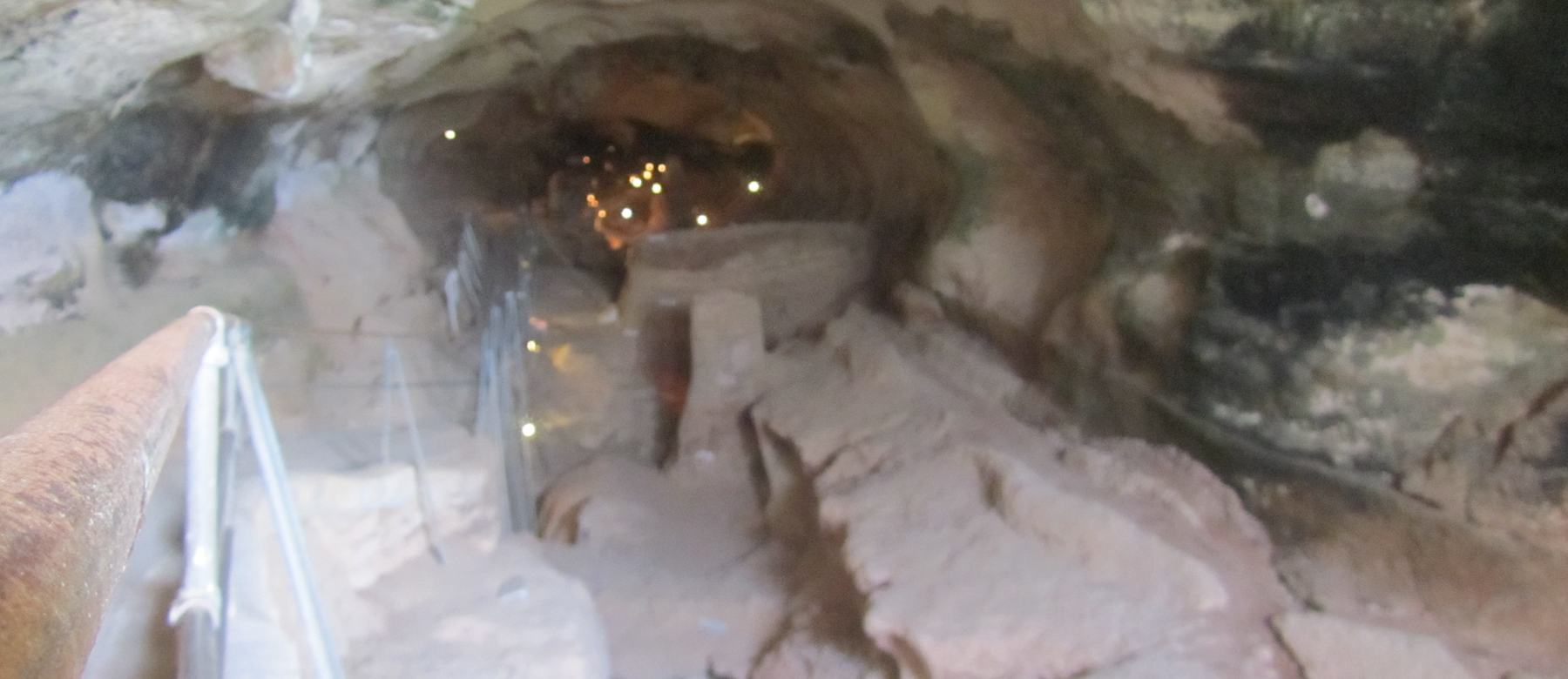
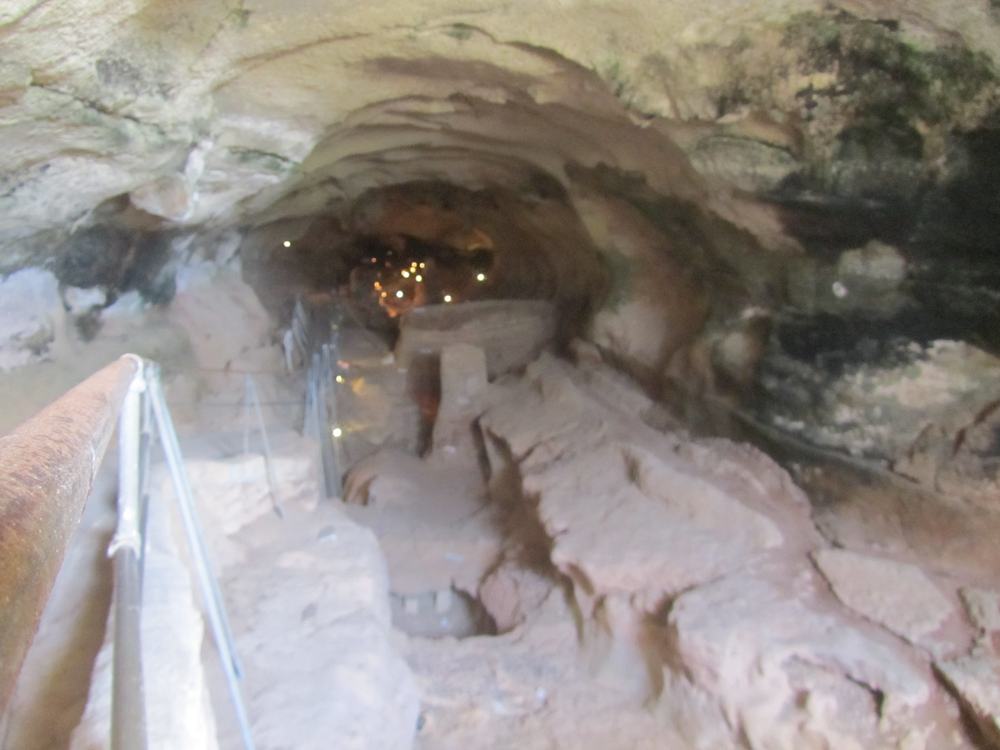
Key Site: Għar Dalam Cave
Contains the earliest layers of Neolithic human activity.
Stratigraphy includes layers of:
Animal bones (e.g., deer, birds)
Charcoal (evidence of fire)
Pottery shards and flint tools
Deforestation and Vegetation Change
Initial Impact
Settlers began clearing forest for:
Small-scale farming
Settlements
Fuel (cooking, heating, pottery firing)
Pollen records from cores at Marsaxlokk, Burmarrad, and Buskett show:
Rapid decline in arboreal pollen (oak, pine)
Increase in herbaceous species and cereals (wheat, barley)
Charcoal particles – evidence of deliberate burning
Garigue Expansion
As forests were cleared, garigue and steppe vegetation spread.
This secondary vegetation became dominant in areas with shallow soils.
Conclusion:
The Neolithic settlement initiated Malta’s first major wave of deforestation, a trend that would continue for millennia.
Early Agriculture and Land Use
Farming Introduction
Cultivated plants:
Cereals (wheat, barley)
Legumes (lentils, peas)
Possibly flax for textiles
Domesticated animals:
Sheep, goats, pigs, and cattle
Brought over by boat from Sicily
Land Use Patterns
Farming was likely slash-and-burn on small clearings near freshwater sources.
Early fields may have been in Burmarrad Valley, Wied Żembaq, or Marsaxlokk, where soils are deeper.
Impact:
Soil degradation began early due to overuse of shallow soils.
Grazing pressure from goats likely suppressed woodland regrowth.
Water Use and Settlement Location
No rivers or lakes meant reliance on:
Natural springs (e.g., near Buskett and Rabat)
Rainwater catchment in natural rock basins
Early settlers likely chose lowland valleys near water sources and arable land.
Settlement Pattern
Small, dispersed hamlets or caves.
Early dwellings possibly made from organic materials (no surviving structures from this phase).
Biodiversity and Faunal Impact
Rapid decline in wild species post-settlement:
Overhunting of birds and small mammals
Habitat loss from clearing and grazing
Introduction of invasive species (e.g. rats, dogs, possibly rabbits) through human transport.
Extinct or Vanished Species:
Several native birds and mammals disappeared from the fossil record by the end of the Neolithic.
Fire as a Land-Management Tool
Charcoal layers in Għar Dalam and other sediment cores indicate:
Use of fire for land clearing
Possibly seasonal burning to promote pasture
Environmental Consequences:
Altered soil chemistry
Increased erosion from slope burn-off
More fire-adapted species like thyme and fennel became common
Key Site: Għar Dalam Cave
Layer
Contents
Upper layers (Neolithic)
Pottery, charcoal, flint tools, animal bones
Middle layers
Fossil bones of red deer, birds, turtles
Lower layers
Dwarf elephant and hippopotamus fossils (extinct before human arrival)
This cave provides a continuous record from the late Pleistocene to early Holocene and is the key stratigraphic archive for Malta’s prehistoric ecology.
Environmental Chronology: Pleistocene Malta (2.6 million – 11,700 years ago) – An immersive geological and ecological timeline tracing Malta’s journey through Ice‑Age landscapes, intermittent land‑bridge connections to Sicily, …
Delve into the Temple Period of Malta (ca. 3600–2500 BCE), exploring how early societies shaped and were shaped by their environment through monumental architecture, agriculture, and land use.
Discover the environmental developments from the Bronze Age to Classical Antiquity (2500 BCE–500 CE), highlighting human impact, climate change, and landscape transformation in this formative era.