Explore the diverse environments of Malta with Nature Malta. Discover the beauty of its unique landscapes, habitats, and ecosystems. From coastal areas to inland valleys, Malta’s rich biodiversity awaits your exploration.
Despite its small size with a limited land area of just over 316 km² the Maltese Islands offers a remarkable range of natural environments and ecosystems. From endemic plants and migratory birds to seagrass beds and coastal cliffs, the islands support a unique and fragile biodiversity. However, these natural treasures face mounting pressures from human activity and environmental change.
Addressing these challenges requires a balanced approach that promotes conservation, responsible development, and active citizen involvement. The future of Malta’s environment depends not only on policy and enforcement but on a shared national commitment to sustainability.
The Maltese Islands boast a surprising range of natural environments. From rugged cliffs and karstic landscapes to fertile valleys, coastal wetlands, and marine ecosystems, the environmental diversity of the Maltese Islands is both a source of national pride and an area of increasing concern due to human pressure and climate change.
Terrestrial Environments
The landscape of the Maltese Islands is shaped by limestone geology, resulting in diverse terrain. Prominent terrestrial features include:
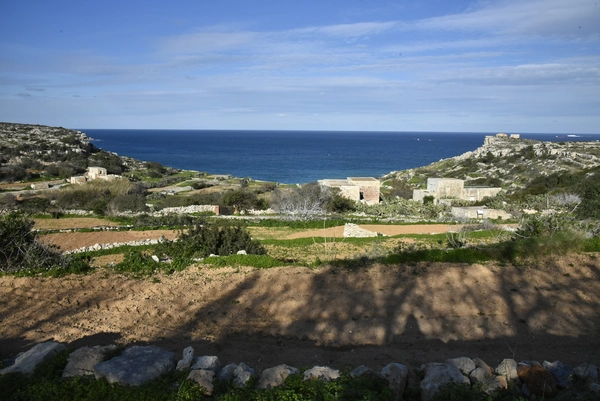
Agricultural Land Terraced fields with rubble walls are a defining feature of rural Malta, particularly on Gozo. These agricultural systems support biodiversity and help prevent soil erosion.
Coastal and Marine Environments
Malta's 140 km coastline includes:
Wetlands and Reserves
Though limited in size, freshwater and brackish wetlands like Għadira and Simar Nature Reserves are critical habitats for migratory birds and amphibians.
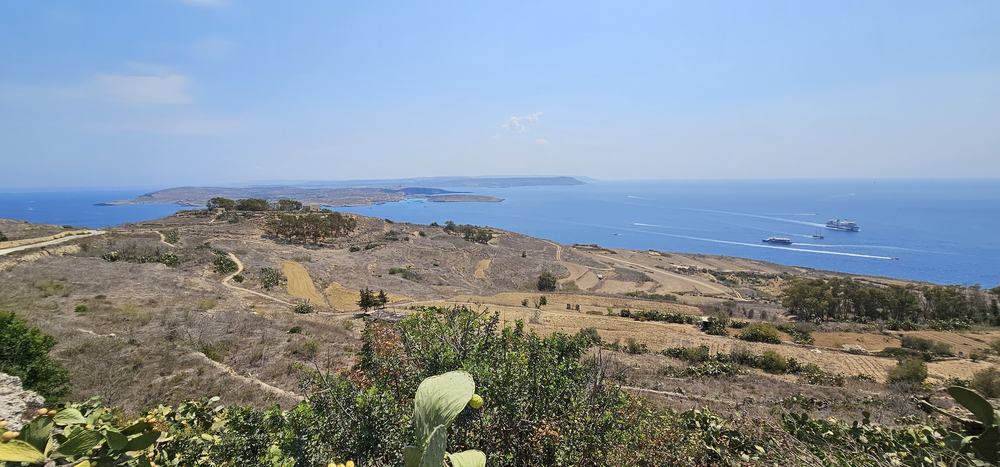
Gozo looking towards Malta
.
.
Gozo Hills
Notable Environmental Facts
Malta hosts over 1,000 species of plants, including the Maltese rock-centaury (Cheirolophus crassifolius), the national plant.
Over 200 species of birds are recorded annually, many of which are migratory.
The islands have 13 Marine Protected Areas (MPAs) and several Natura 2000 sites, designated under EU law.
Malta has no permanent rivers or lakes; watercourses are seasonal and highly dependent on rainfall.
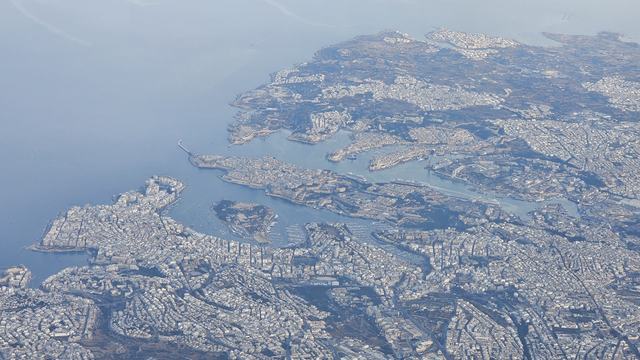
Urban Sprawl and Overdevelopment Malta has one of the highest population densities in the EU. Rapid construction and urban expansion have led to the loss of natural habitats, agricultural land, and green spaces. Coastal development, in particular, threatens marine biodiversity and increases the risk of erosion and pollution.
Waste Management and Pollution Malta struggles with high levels of waste generation per capita. Landfills are under pressure, and illegal dumping remains a problem. Plastic pollution affects both land and sea, impacting wildlife and human health.
Water Scarcity The islands face chronic freshwater shortages. With no permanent freshwater bodies, Malta relies heavily on reverse osmosis desalination plants and limited groundwater. Over-extraction has led to saline intrusion and deteriorating water quality.
Loss of Biodiversity Habitat fragmentation, invasive species, and pesticide use threaten native flora and fauna. Many endemic and rare species are under pressure, especially in ecologically sensitive areas.
Climate Change Rising temperatures, reduced rainfall, and extreme weather events are already affecting agriculture, water supplies, and coastal stability. Sea level rise poses a long-term threat to low-lying coastal zones.
Illegal Hunting and Trapping Although heavily regulated under EU laws, bird hunting and trapping remain controversial. Protected species are sometimes targeted illegally during migration seasons.
Malta is a member of the European Union and part of international environmental agreements, which has led to improved legislation and funding for conservation. Key initiatives include:
Protected areas (like Majjistral Park and Il-Ballut ta’ Marsaxlokk)
Environmental NGOs such as BirdLife Malta, Nature Trust – FEE Malta, and Din l-Art Ħelwa working on habitat restoration, education, and advocacy
Sustainable development goals implemented through national strategies and EU funding
Public education, waste reduction programs, sustainable urban planning, and climate adaptation policies are essential for securing a greener future.
.
Types of Environment
Discover the diverse natural environments of the Maltese Islands, including marine and coastal areas, land-based habitats, freshwater wetlands, caves, and urban green spaces. Learn about Malta’s unique ecosystems and biodiversity.