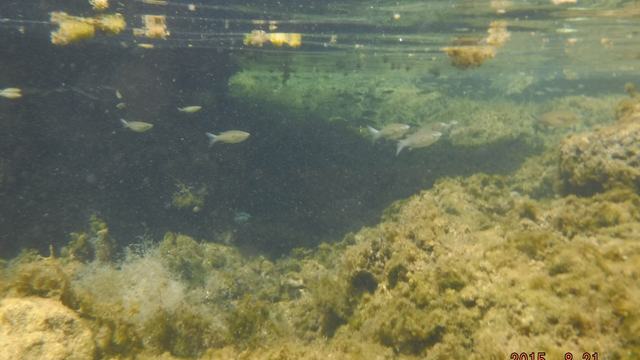
Marine environment
Dive into Malta’s marine environment — rich in biodiversity, underwater habitats, seagrass meadows, and protected areas vital to Mediterranean life.
View pageDiscover the diverse natural environments of the Maltese Islands, including marine and coastal areas, land-based habitats, freshwater wetlands, caves, and urban green spaces. Learn about Malta’s unique ecosystems and biodiversity.
Marine Environment
Terrestrial Environment
Aerial (or Atmospheric) Environment
Freshwater Environment
Estuarine Environment
Urban Environment
Subterranean Environment
Hill Environment
Coastal Environment
Islet or Island Environment
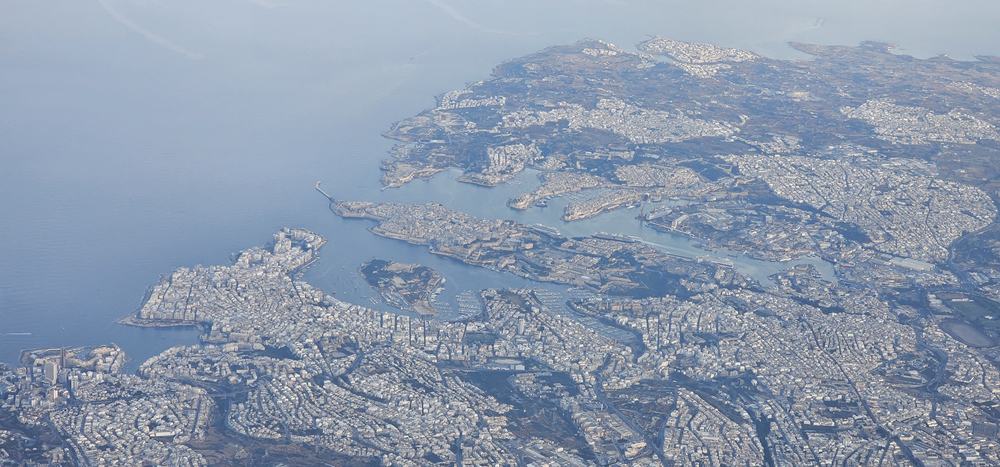
Ariel view of Malta urban main areas. Copyright © 2025 Stephen Yardley
Malta is surrounded by the Mediterranean Sea, with a rich marine ecosystem that includes coralligenous reefs, seagrass meadows (e.g., Posidonia oceanica), underwater caves, and deep pelagic zones. These habitats support diverse marine life such as groupers, sea urchins, dolphins, and loggerhead turtles. Marine protected areas (MPAs) play a crucial role in conserving these ecosystems from overfishing, pollution, and unsustainable tourism.
Despite its small size, the Maltese Islands host a variety of terrestrial habitats. These include garigue, steppe, and maquis—Mediterranean vegetation types rich in endemic flora. Small patches of woodland remnants, agricultural fields, and valleys further contribute to terrestrial biodiversity. Species such as the Maltese wall lizard and endemic plants thrive in these environments.
The airspace above Malta is important for migratory bird routes, as the islands lie on the Central Mediterranean Flyway. Birds such as marsh harriers, bee-eaters, and herons use Malta as a stopover. However, air pollution from vehicles and industry, as well as hunting practices, affect this sensitive layer of the environment.
Due to limited rainfall and lack of rivers, Malta has very few natural freshwater sources. However, temporary rainwater streams (wadis) and man-made reservoirs create microhabitats for amphibians and insects. Wetlands like Is‑Simar and Għadira Nature Reserve are crucial refuges for freshwater biodiversity and migratory birds.
While Malta lacks large estuaries, small brackish zones can be found in coastal wetlands where rainwater and groundwater mix with seawater. Examples include parts of Salina, Għadira, and Marsaxlokk Bay, which provide unique ecosystems for halophytic (salt-tolerant) vegetation and wading birds.
Cities such as Valletta, Sliema, and Birkirkara represent densely built-up areas with high population densities. Urban sprawl has led to habitat fragmentation and increased pressure on land resources. However, urban gardens, rooftop vegetation, and green walls are becoming more common in efforts to enhance sustainability and urban biodiversity.
Malta's limestone geology supports a network of caves, sinkholes, and underground aquifers. Natural caves such as Għar Dalam and Ninu’s Cave house unique microorganisms and bats. These environments are important for geological study, water storage, and the preservation of fossil records and archaeological remains.
The island’s terrain includes modest hills and ridges, such as Dingli Cliffs and the Mġarr and Żebbuġ uplands. These areas host distinct plant communities and provide excellent birdwatching sites. Their elevation and slope influence local microclimates and water runoff patterns.
The coastline of Malta, Gozo, and Comino features cliffs, bays, beaches, salt pans, and tidal pools. These habitats support nesting seabirds like the Yelkouan shearwater, as well as marine invertebrates and algae. Coastal zones are highly valued for tourism but are also vulnerable to erosion, sea-level rise, and pollution.
Beyond the main islands, smaller landforms such as Filfla, St. Paul’s Islands, and Cominotto support unique ecological conditions. These islets are often inaccessible, allowing for the survival of sensitive or endangered species such as seabirds, endemic snails, and rare vegetation. Strict access regulations help protect these fragile ecosystems.
Dive into Malta’s marine environment — rich in biodiversity, underwater habitats, seagrass meadows, and protected areas vital to Mediterranean life.
View page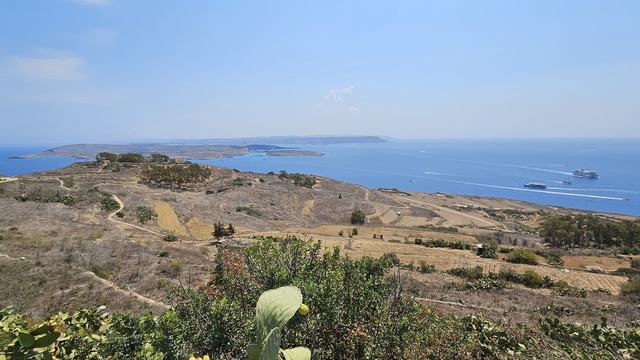
Explore Malta’s terrestrial environment — diverse landscapes, native plants, and land-based wildlife shaped by climate, geology, and human history.
View page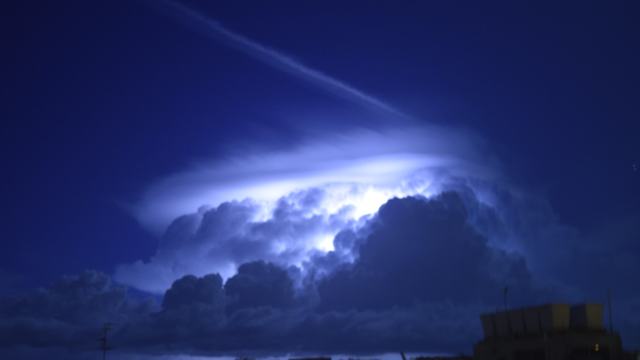
Explore Malta’s aerial and atmospheric environments — from bird migration and air quality to the ecological role of sky-bound ecosystems.
View page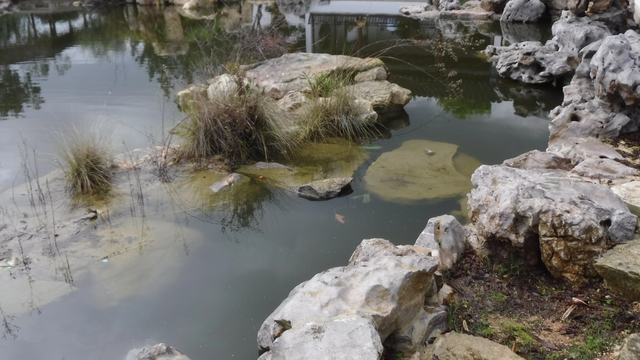
Discover Malta’s rare freshwater habitats — springs, streams, and wetlands that support unique plant life, amphibians, and vital ecosystems.
View page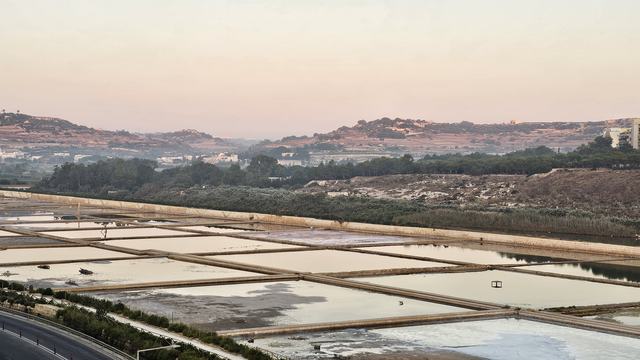
Explore Malta’s estuarine environments — where freshwater meets the sea, supporting rich biodiversity, migratory birds, and vital coastal ecosystems.
View page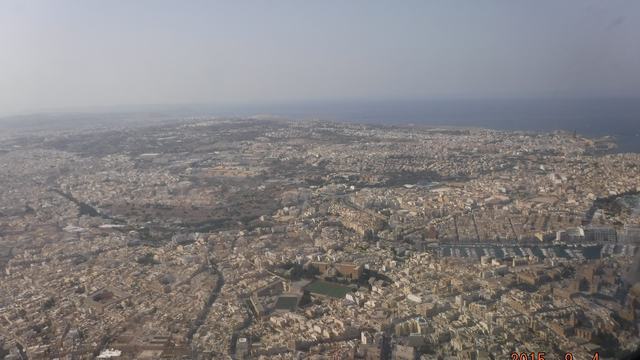
Discover how nature coexists with development in Malta’s urban areas — green spaces, wildlife corridors, and biodiversity in cities and towns.
View page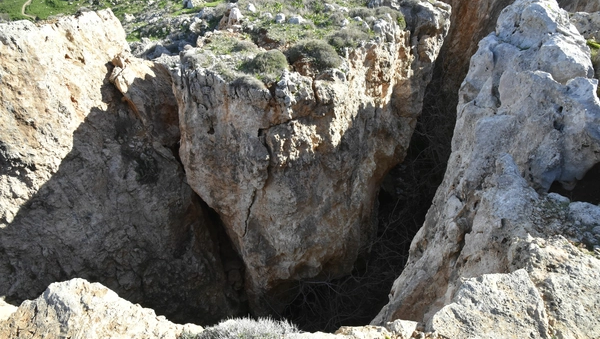
Explore Malta’s hidden subterranean world — caves, sinkholes, and underground habitats teeming with rare species and geological wonders.
View page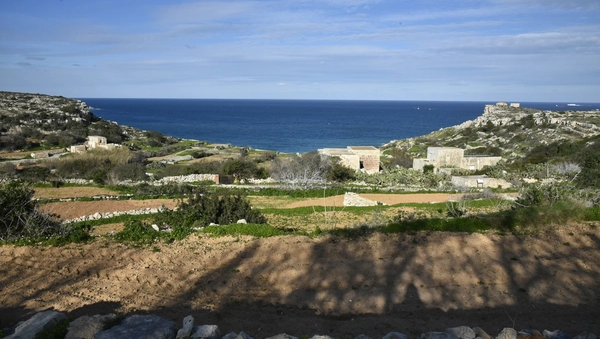
Discover Malta’s hill environments — elevated landscapes shaped by geology and time, home to unique flora, fauna, and panoramic Mediterranean views.
View page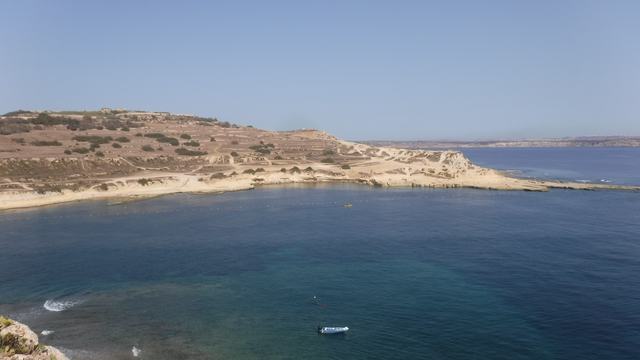
Discover Malta's stunning coastal environment — explore cliffs, beaches, marine life, and unique ecosystems along the island’s scenic shoreline.
View page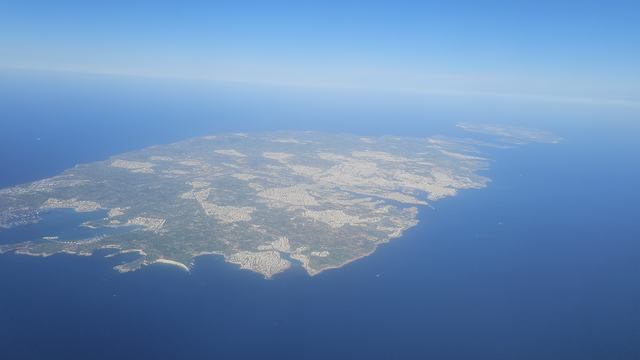
Explore Malta’s unique islet and island habitats — remote, fragile environments that support rare seabirds, plants, and coastal biodiversity.
View page