Physical Characteristics of the Coastline
Ecological Importance
Human Activities and Economic Value
Environmental Pressures and Threats
Conservation and Management Efforts
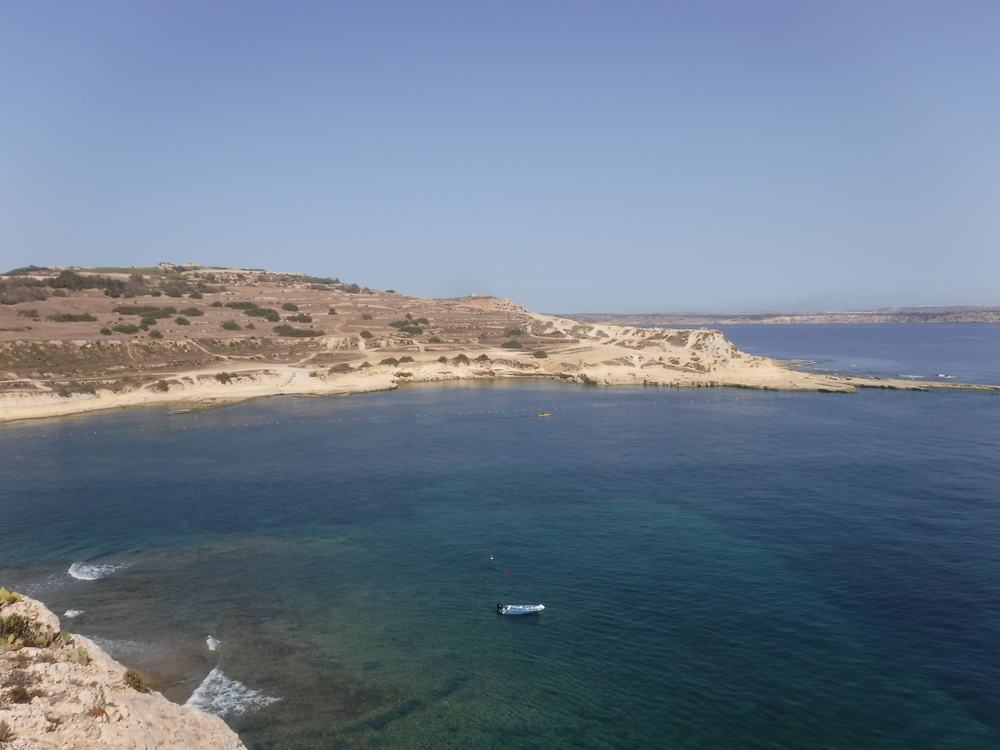
Coastline view from St Paul's Island. Copyright © 2025 Stephen Yardley
The coastal environment of the Maltese Islands is a national treasure of ecological, cultural, and economic significance. It defines the identity of the islands and supports both traditional livelihoods and modern industries. However, its delicate balance is increasingly at risk due to human pressure and environmental change. Effective management, public cooperation, and long-term planning are essential to safeguard this irreplaceable asset for future generations.
The coastal environment of the Maltese Islands is one of the nation’s most valuable natural and economic assets. Stretching over approximately 270 kilometers, the coastline exhibits a variety of landscapes including dramatic rocky cliffs, sandy and pebble beaches, sheltered bays, salt marshes, and sea inlets. These coastal features are not only visually striking but are also ecologically important, supporting a wide range of habitats and species. Seagrass beds, intertidal zones, and coastal cliffs provide essential breeding and feeding grounds for marine life, migratory birds, and endemic flora and fauna.
The coast has long been central to Maltese history and development, serving as a base for ancient harbors, trade routes, and settlements. In modern times, it plays a significant role in the economy through tourism, fishing, aquaculture, and port activities. Popular tourist destinations such as Mellieħa Bay and the Blue Grotto rely on the health and accessibility of the coastal environment to attract visitors and support livelihoods.
However, this environment faces increasing pressures from various human activities and global environmental challenges. Coastal erosion, driven by both natural processes and construction, threatens beach stability and cliff integrity. Pollution from marine traffic, untreated waste, and plastic debris degrades water quality and marine ecosystems. Urban expansion and poorly regulated development compromise natural habitats and reduce the aesthetic and ecological value of the coast. Furthermore, climate change poses a long-term threat through sea-level rise and more frequent storm surges, which could significantly alter the coastline and endanger low-lying communities.
In response, Malta has implemented a number of protective measures, including the designation of Marine Protected Areas (MPAs), enforcement of coastal development regulations, and the promotion of Integrated Coastal Zone Management (ICZM) strategies. Public awareness campaigns and conservation projects aimed at preserving dunes, wetlands, and native species are also part of national efforts to maintain the balance between development and environmental sustainability.
In conclusion, the coastal environment of the Maltese Islands is a dynamic and vital component of the nation’s identity and wellbeing. It supports biodiversity, sustains livelihoods, and contributes to cultural heritage. Protecting this delicate zone requires continued commitment to sustainable practices, informed policymaking, and cooperation across all levels of society.
Physical Characteristics of the Coastline
The Maltese coastline extends over approximately 270 kilometers, offering a diverse range of geological and physical features. The dominant characteristics include:
- Rocky Shores and Cliffs: These form the majority of the coastline, especially on the western and southern shores. Notable cliffs include the Dingli Cliffs in Malta and the Ta’ Ċenċ Cliffs in Gozo, which rise dramatically from the sea and provide important habitats for nesting birds and rare plants.
- Sandy and Pebble Beaches: While limited in number and size, sandy beaches like Golden Bay, Mellieħa Bay, and Ramla l-Ħamra in Gozo are popular for recreation and tourism. These areas are sensitive to erosion and seasonal changes.
- Salt Marshes and Dunes: Coastal wetlands like Il-Magħluq tal-Baħar ta’ Marsaskala and Is-Simar Nature Reserve offer unique habitats and serve as stopovers for migratory birds.
- Bays and Inlets: Natural harbors such as Marsamxett, Grand Harbour, and St. Paul’s Bay are essential for maritime activity and historically significant settlements.
Ecological Importance
The coastal environment of Malta is home to a wide variety of marine and terrestrial ecosystems. Posidonia oceanica seagrass meadows, found in shallow coastal waters, are crucial for oxygen production, sediment stabilization, and marine biodiversity. Coastal cliffs and scrublands support endemic and rare plant species, such as the Maltese cliff-orach (Atriplex lanfrancoi), and are breeding grounds for seabirds like the Yelkouan Shearwater (Puffinus yelkouan).
In addition, intertidal zones—the areas exposed between high and low tide—provide niches for a variety of organisms, such as mollusks, crabs, and sea urchins.
Human Activities and Economic Value
The Maltese coastal zone has always played a key role in the islands’ development. From ancient harbors used by the Phoenicians and Romans to modern ports, the coast has been central to trade, defense, and cultural exchange.
Today, the coast supports several economic sectors:
- Tourism: The coastline is a major attraction for visitors seeking beaches, diving, and cultural sites. Coastal towns like Sliema, St. Julian’s, and Bugibba are tourism hotspots.
- Fishing and Aquaculture: Traditional fishing continues in coastal villages such as Marsaxlokk, while aquaculture (e.g., tuna farms) has grown in recent years.
- Shipping and Ports: Malta’s strategic location has made it a major transshipment and logistics hub, with busy ports in Valletta and Marsaxlokk.
Environmental Pressures and Threats
Despite its value, the coastal environment is under increasing threat from human activity:
- Coastal Erosion: Natural processes combined with human interference, such as sand extraction or construction, accelerate the loss of beaches and cliff stability.
- Pollution: Runoff, sewage discharge, marine litter, and oil spills degrade water quality and harm marine life.
- Urban Development: The expansion of infrastructure, particularly tourism and residential projects, often leads to habitat destruction and visual degradation of the coast.
- Climate Change: Rising sea levels and increased storm frequency pose a growing threat to coastal ecosystems and low-lying areas.
- Loss of Biodiversity: Overfishing, habitat fragmentation, and invasive species contribute to declining biodiversity in coastal areas.
Conservation and Management Efforts
Malta has taken steps to protect its coastal environment through national policies and European Union directives:
- Marine Protected Areas (MPAs) have been designated to conserve biodiversity, such as around Comino and the Dwejra coast in Gozo.
- Integrated Coastal Zone Management (ICZM) seeks to balance economic development with environmental sustainability.
- Habitat restoration projects, such as dune rehabilitation and wetland preservation, are helping to reverse some environmental damage.
- Public awareness campaigns and education efforts aim to promote respect for the coastal environment and sustainable practices among residents and tourists.