Geographic and Environmental Context
Key Estuarine-Like Sites in Malta
Ecological Importance
Threats to the Estuarine Environment
Conservation and Management
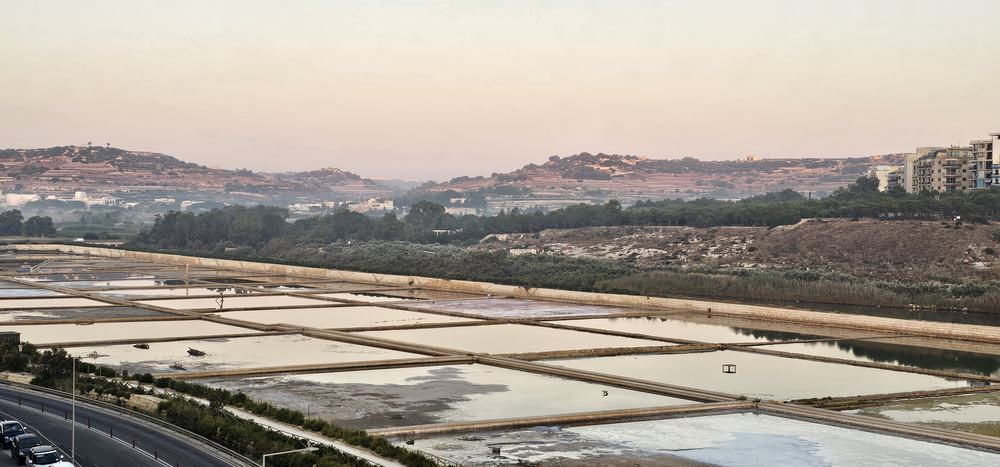
Salini Nature Reserve. Copyright © 2025 Stephen Yardley
While the Maltese Islands do not possess traditional estuarine systems, their coastal wetlands and brackish habitats play a crucial role in the local ecosystem. These environments support biodiversity, protect water quality, and contribute to climate resilience. In the face of ongoing environmental pressures, continued conservation, sustainable land use, and public engagement are essential to protect these unique and valuable ecosystems.
There is a very limited estuarine environment due to the small size of Malta, lack of major rivers, and predominantly rocky coastline. Traditional estuaries—where rivers meet the sea—are virtually absent. However, some coastal wetlands and brackish water habitats, such as Simar and Is-Salini in Malta and Għadira in Mellieħa, perform similar ecological functions. These areas support diverse plant and animal life, particularly migratory birds, and serve as important natural filters for water quality.
Despite their ecological importance, these environments are vulnerable to pollution, land reclamation, and human disturbance. Conservation efforts and habitat restoration projects aim to protect these rare but valuable ecosystems, ensuring their role in biodiversity preservation and ecological balance.
Geographic and Environmental Context
Rainfall is seasonal and low, averaging about 550 mm per year, and the porous limestone terrain allows water to seep into underground aquifers rather than forming long surface watercourses. However, in certain coastal areas where rainwater collects or seeps into low-lying zones near the sea, brackish water environments have developed. These include seasonal marshes, salt pans, and coastal wetlands, which serve estuarine-like ecological functions.
Key Estuarine-Like Sites in Malta
Several important locations in Malta serve as functional estuarine environments despite not being true estuaries:
- Għadira Nature Reserve (Mellieħa)
Located behind Mellieħa Bay, this is Malta’s largest brackish wetland. It forms during the wet season when rainwater accumulates and mixes with seawater intrusion. Għadira provides habitat for a wide variety of birds, especially during migration seasons. - Simar Nature Reserve (Xemxija)
This man-made wetland was restored from abandoned marshland and serves as a freshwater and brackish habitat. It is now an important site for birds, amphibians, and aquatic plants. - Is-Salini (Salt Pans near Naxxar)
Historically used for salt production, the Salini area includes shallow basins where sea and rainwater mix. These salt pans are important for wading birds and other salt-tolerant species.
These areas mimic the biological and hydrological functions of estuaries by supporting both marine and freshwater-influenced ecosystems, serving as feeding, breeding, and resting grounds for various species.
Ecological Importance
Even in their limited form, Malta’s estuarine-like environments offer significant ecological benefits:
- Biodiversity Hotspots: They provide habitat for migratory birds, amphibians, and brackish water organisms, many of which are rare or protected.
- Water Filtration: These wetlands act as natural filters, trapping pollutants and sediments before they reach the open sea.
- Flood Mitigation: During heavy rains, wetlands help absorb excess water, reducing the risk of flash floods.
- Carbon Sequestration: Wetlands contribute to climate change mitigation by capturing and storing carbon in plants and soils.
Threats to the Estuarine Environment
Despite their value, these environments are fragile and under threat from human activity and climate change:
- Urban Development: Encroachment from buildings, roads, and tourism infrastructure disrupts natural water flows and degrades habitats.
- Pollution: Runoff from agriculture and urban areas introduces nutrients and chemicals into these sensitive ecosystems.
- Water Extraction: Over-extraction of groundwater can reduce freshwater input, altering the balance between salt and fresh water.
- Climate Change: Changes in rainfall patterns and rising sea levels can affect the seasonal dynamics of these wetlands, reducing their productivity and resilience.
Conservation and Management
The Maltese government and environmental NGOs, such as BirdLife Malta, have worked to conserve and restore wetland and brackish environments. Key initiatives include:
- Habitat restoration in places like Simar and Għadira, turning degraded land back into functional ecosystems.
- Designation of protected areas under the EU Natura 2000 network, providing legal protection to key sites.
- Environmental education and eco-tourism, raising awareness of the importance of these habitats to both locals and tourists.
- Monitoring and research, improving understanding of how these systems function and how best to manage them.