Explore the environmental history of the Maltese Islands, tracing natural and human-driven changes over millennia. Understand key ecological shifts, climate events, and land use patterns shaping Malta's landscape.
Geological Formation (35–5 million years ago)
Pleistocene Epoch (2.6 million – 11,700 years ago)
Early Holocene & First Human Settlement (ca. 5200 BCE)
Temple Period (ca. 3600–2500 BCE)
Bronze Age to Classical Antiquity (2500 BCE–500 CE)
Medieval Period (500–1530 CE)
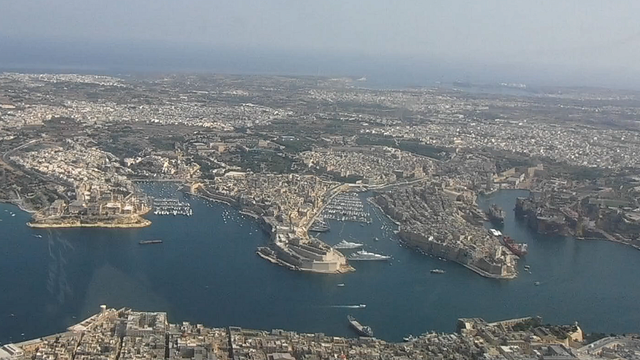
Knights of St. John (1530–1798)
British Period (1800–1964)
Post-Independence to Present (1964–2025)
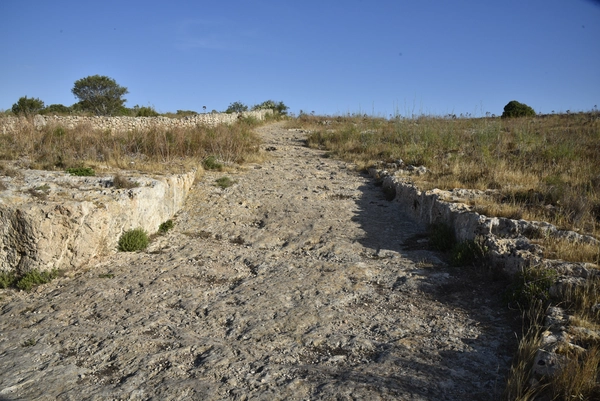
Old Roman Road
Roman Road at Xemxija leading to the Punico-Roman Apiary
The environmental chronology of the Maltese Islands traces the natural and human-induced changes in landscape, climate, vegetation, and biodiversity from prehistoric times to the present.
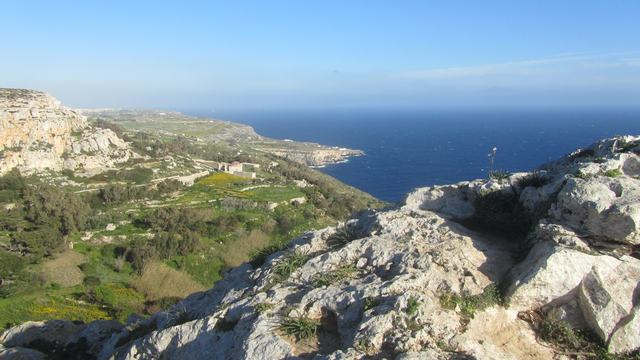
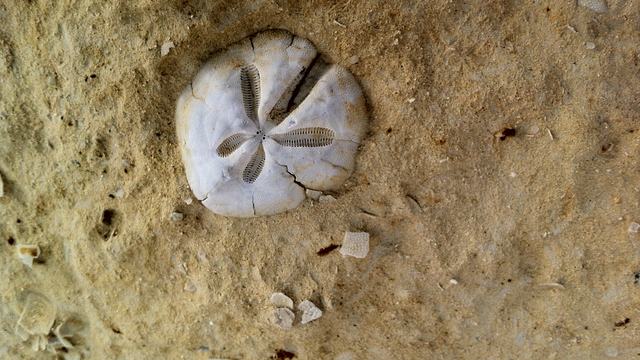
Miocene Period: The Maltese Islands were formed from marine sediments when the African and Eurasian plates collided. Layers of limestone (Upper and Lower Coralline, Globigerina) were deposited.
Malta and Gozo were once part of a larger landmass but became islands after sea level changes.
Deforestation and land degradation: Began with first settlers, exacerbated over millennia.
Soil erosion: Continuous issue due to topography and land use.
Water scarcity: Always a limiting factor; underground water extraction has ecological impacts.
Biodiversity loss: Native species declined due to habitat loss, hunting, and invasive species.
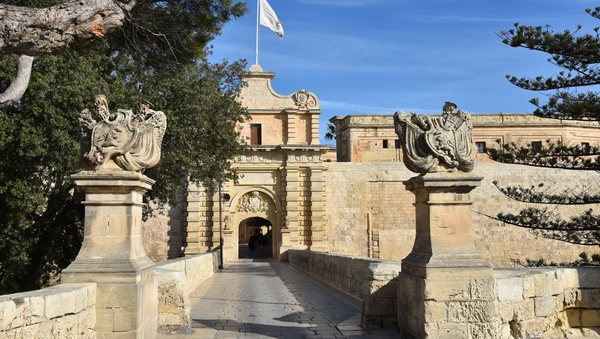
Environmental Chronology: Knights of St. John (1530–1798)
Trace the environmental transformations in Malta during the rule of the Knights of St. John (1530–1798), including fortification building, urbanization, agricultural practices, and resource management.
Environmental Chronology: Medieval Period in Malta (500–1530 CE)
Explore Malta’s environmental history during the Medieval period (500–1530 CE), focusing on land use, agriculture, settlement patterns, and ecological impacts of shifting political and cultural influences.
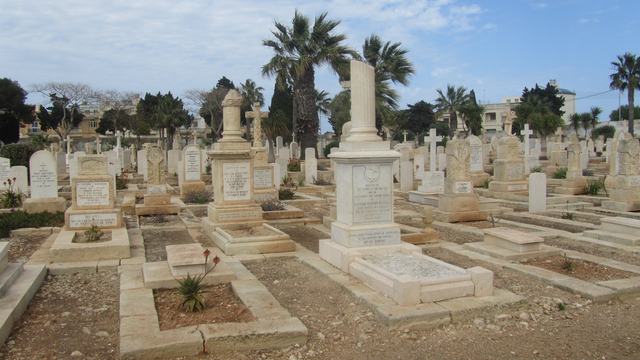
Environmental Chronology: British Period in Malta (1800–1964)
Examine the environmental changes in Malta during the British period (1800–1964), including urban expansion, infrastructure development, and shifts in land use and resource management.
Environmental Chronology: Pleistocene Malta (2.6 million – 11,700 years ago)
Environmental Chronology: Pleistocene Malta (2.6 million – 11,700 years ago) – An immersive geological and ecological timeline tracing Malta’s journey through Ice‑Age landscapes, intermittent land‑bridge connections to Sicily, endemic dwarf faunas (elephants, hippos, giant swans, dormice, otters), freshwater lake systems, woodland refugia, and the shifting climates that set the stage for the islands’ later human colonization.
Environmental Chronology: Early Holocene & First Human Settlement (ca. 5200 BCE)
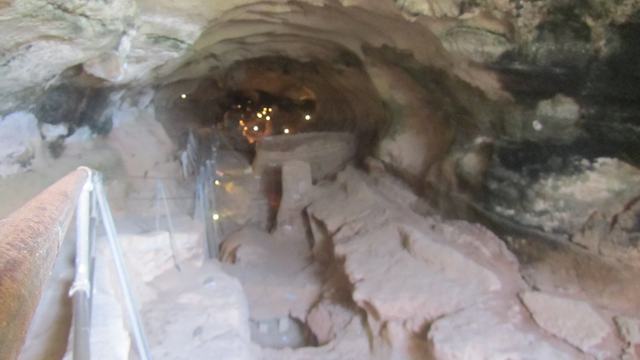
Environmental Chronology: Early Holocene & First Human Settlement (c. 5200 BCE) – An immersive timeline tracing Malta’s earliest human presence, from Mesolithic hunter‑gatherer voyagers arriving ~8500 years ago via open‑sea navigation, through Neolithic settlement in the Għar Dalam phase, vegetation dynamics, coastal adaptation, and initial forest clearance shaping Malta’s developing landscapes.
Environmental Chronology: Malta (1964–2025) – A comprehensive timeline tracing Malta’s ecological transformation since independence, from early development pressures and legislative responses in the 1960s–1990s, through EU-driven reforms, renewable energy shifts, biodiversity conservation and climate‑related adaptation up to the latest strategies and restoration initiatives.
Environmental Chronology: Geological Formation of Malta (35–5 million years ago)
Uncover the geological origins of the Maltese Islands (35–5 million years ago), detailing the processes of sedimentation, tectonic activity, and sea level changes that shaped the archipelago's landscape.
Environmental Chronology: Temple Period (ca. 3600–2500 BCE)
Delve into the Temple Period of Malta (ca. 3600–2500 BCE), exploring how early societies shaped and were shaped by their environment through monumental architecture, agriculture, and land use.
Environmental Chronology: Bronze Age to Classical Antiquity (2500 BCE–500 CE)
Discover the environmental developments from the Bronze Age to Classical Antiquity (2500 BCE–500 CE), highlighting human impact, climate change, and landscape transformation in this formative era.