RELATED FIELD GUIDE
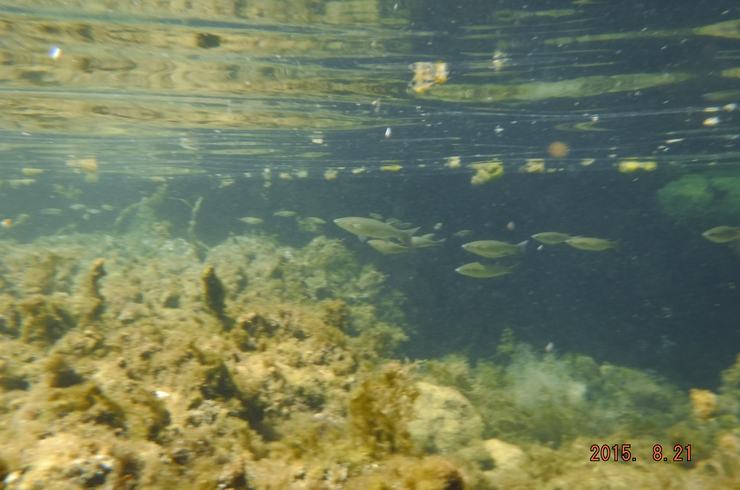
Marine environment
Dive into Malta’s marine environment — rich in biodiversity, underwater habitats, seagrass meadows, and protected areas vital to Mediterranean life.
Read guide
Discover how nature coexists with development in Malta’s urban areas — green spaces, wildlife corridors, and biodiversity in cities and towns.
Urban Structure and Development Patterns
Challenges Facing the Urban Environment
Sustainability and Urban Planning Efforts
Tourism and the Urban Environment
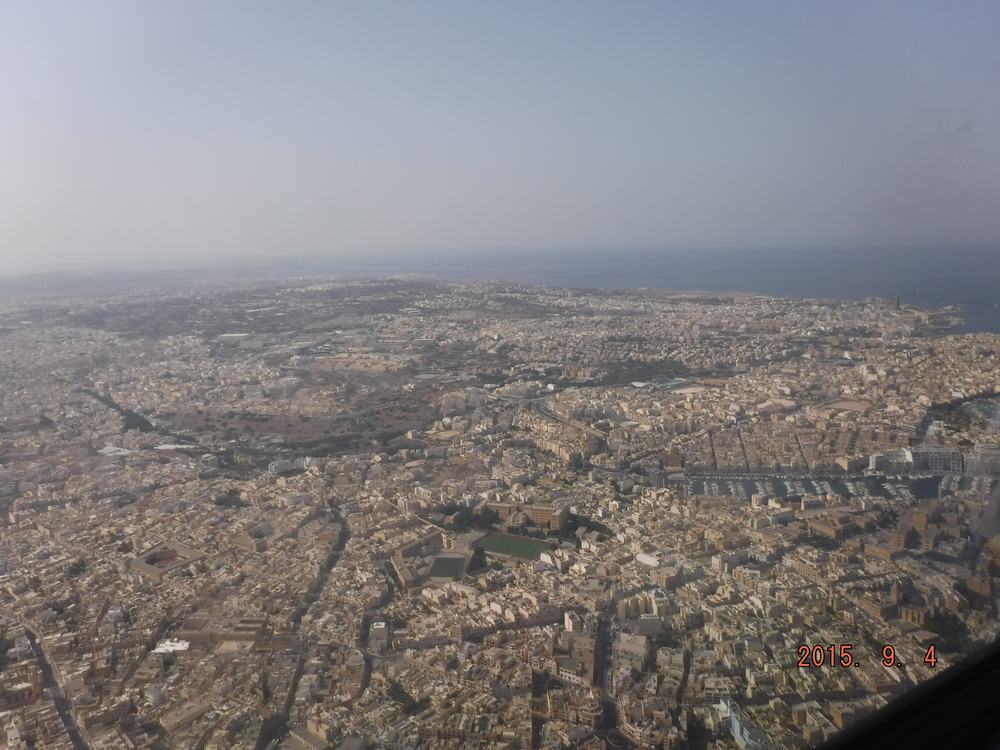
Aeriel view of Malta from the South. Copyright © 2025 Stephen Yardley
The urban environment of the Maltese Islands is a complex and evolving landscape shaped by centuries of history and recent decades of rapid development. While urbanization has brought economic growth and improved living standards, it has also posed serious environmental and social challenges. Sustainable urban planning, investment in green infrastructure, and the preservation of cultural heritage are essential to ensuring that Malta’s urban areas remain vibrant, livable, and resilient.
The urban environment of the Maltese Islands is highly developed and densely populated, with most of the population concentrated in towns and cities along the northeastern coast. Rapid urban expansion, driven by economic growth and tourism, has led to increased construction, traffic congestion, and pressure on infrastructure and green spaces.
This dense development poses environmental challenges such as air and noise pollution, loss of open land, and strain on resources like water and energy. Efforts are underway to promote sustainable urban planning through improved public transport, green building practices, and the preservation of cultural and natural heritage. Balancing development with environmental protection is key to ensuring a livable urban future for Malta.
Urban Structure and Development Patterns
The Maltese Islands have undergone significant urbanization, especially since the mid-20th century. Urban areas such as Valletta, Sliema, Birkirkara, Mosta, and St. Julian’s have grown into a continuous urban belt stretching along the northeastern coast of Malta. Valletta, the capital city and a UNESCO World Heritage Site, stands as a historical and administrative core, while nearby towns serve as commercial and residential hubs.
The majority of urban development in Malta is low-rise but densely packed, with terraced housing and apartment blocks dominating the landscape. In recent years, however, there has been a shift toward high-rise developments, especially in areas like St. Julian’s and Gżira, which cater to both local demand and tourism-related investments.
The rapid pace of urbanization has brought with it a host of environmental and social challenges:
Recognizing these challenges, Malta has taken several steps to make urban development more sustainable:
Tourism is a major driver of urban activity in Malta. While it contributes significantly to the economy, it also intensifies pressures on infrastructure, public spaces, and housing availability. The rise in short-term rentals and boutique hotels in urban areas has led to higher property prices and a shift in residential dynamics, particularly in historical cities like Valletta and Mdina.
Continue to another subject in this collection.
Dive into Malta’s marine environment — rich in biodiversity, underwater habitats, seagrass meadows, and protected areas vital to Mediterranean life.
Read guide
Explore Malta’s terrestrial environment — diverse landscapes, native plants, and land-based wildlife shaped by climate, geology, and human history.
Read guide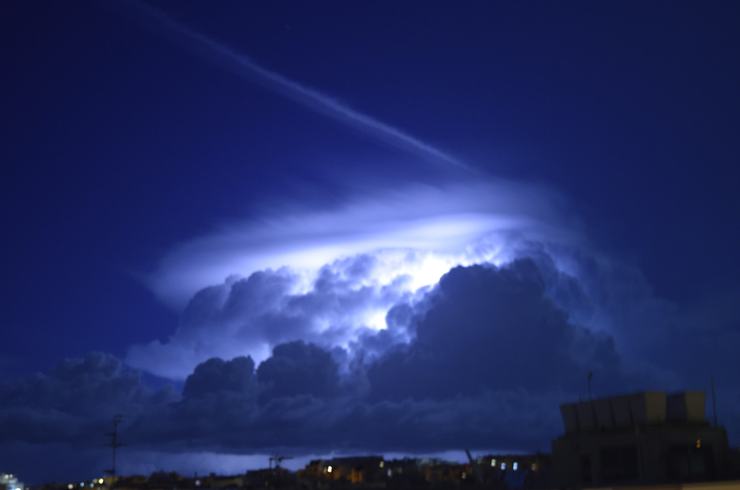
Explore Malta’s aerial and atmospheric environments — from bird migration and air quality to the ecological role of sky-bound ecosystems.
Read guide