RELATED FIELD GUIDE
Marine environment
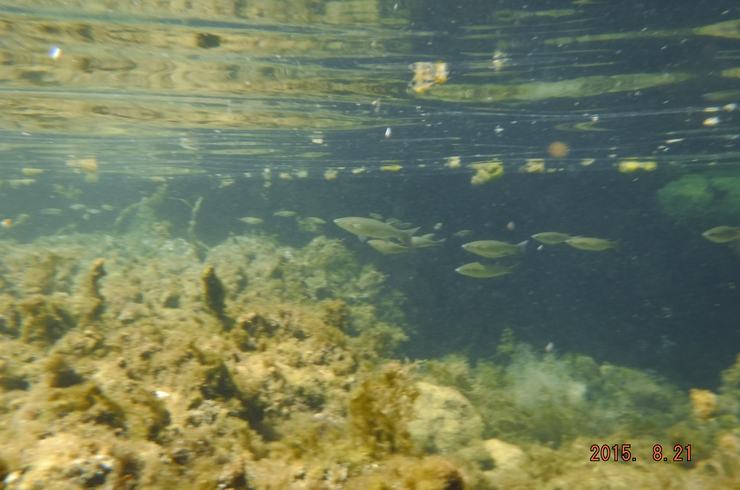
Dive into Malta’s marine environment — rich in biodiversity, underwater habitats, seagrass meadows, and protected areas vital to Mediterranean life.
Read guide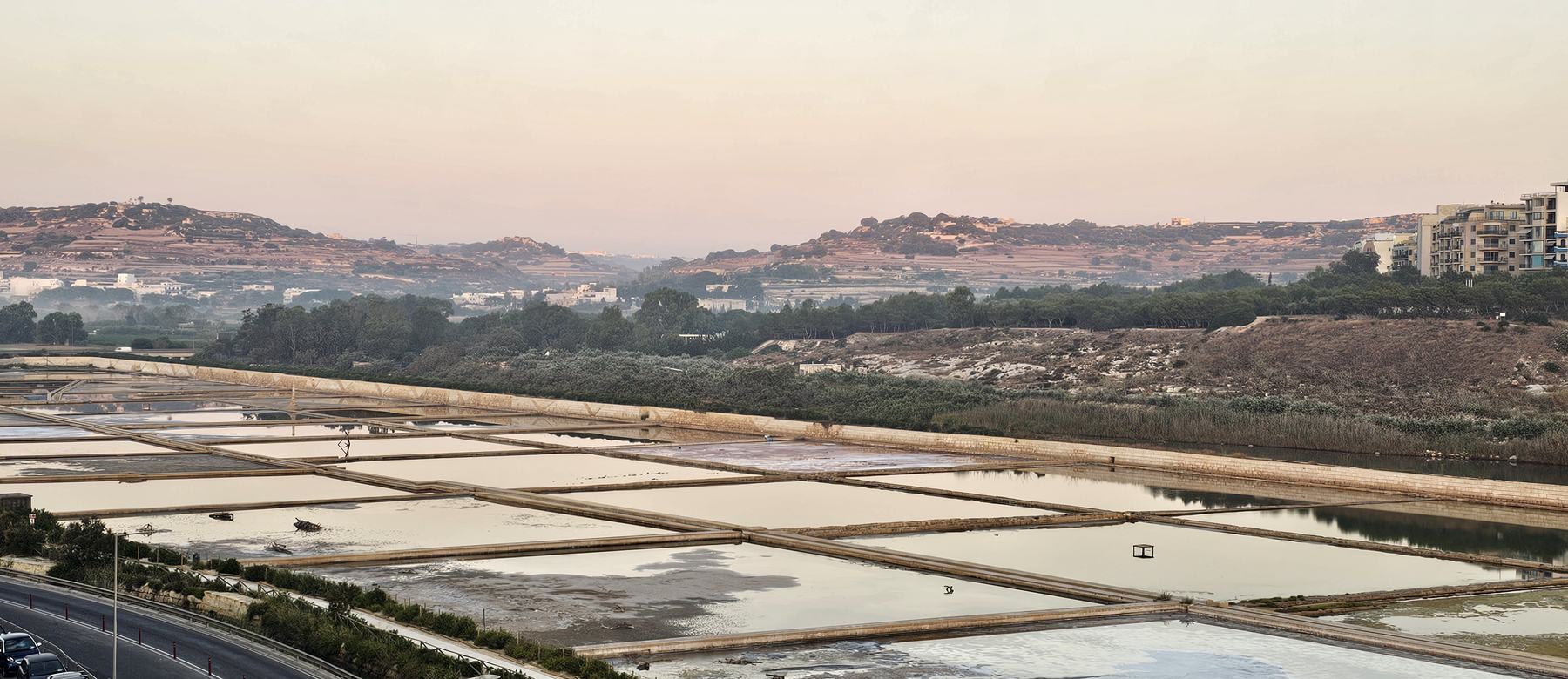
Explore Malta’s estuarine environments — where freshwater meets the sea, supporting rich biodiversity, migratory birds, and vital coastal ecosystems.
Geographic and Environmental Context
Key Estuarine-Like Sites in Malta
Ecological Importance
Threats to the Estuarine Environment
Conservation and Management
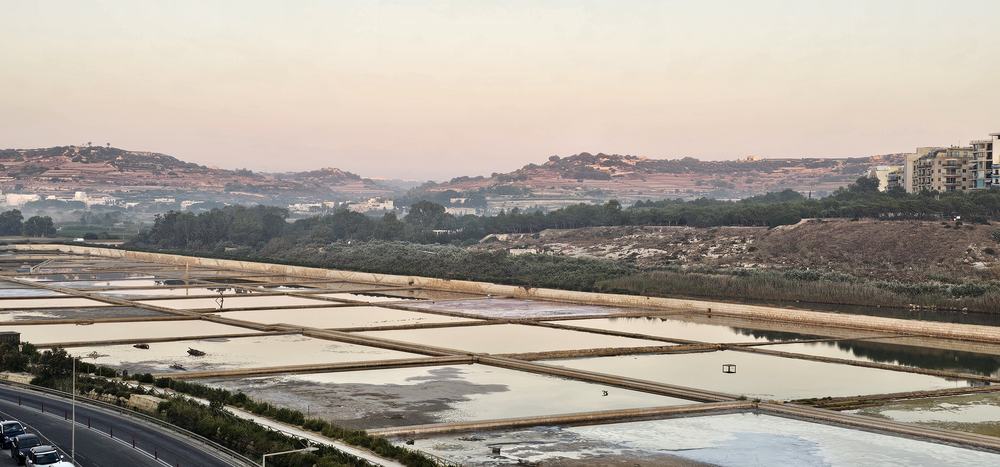
Salini Nature Reserve. Copyright © 2025 Stephen Yardley
While the Maltese Islands do not possess traditional estuarine systems, their coastal wetlands and brackish habitats play a crucial role in the local ecosystem. These environments support biodiversity, protect water quality, and contribute to climate resilience. In the face of ongoing environmental pressures, continued conservation, sustainable land use, and public engagement are essential to protect these unique and valuable ecosystems.
There is a very limited estuarine environment due to the small size of Malta, lack of major rivers, and predominantly rocky coastline. Traditional estuaries—where rivers meet the sea—are virtually absent. However, some coastal wetlands and brackish water habitats, such as Simar and Is-Salini in Malta and Għadira in Mellieħa, perform similar ecological functions. These areas support diverse plant and animal life, particularly migratory birds, and serve as important natural filters for water quality.
Despite their ecological importance, these environments are vulnerable to pollution, land reclamation, and human disturbance. Conservation efforts and habitat restoration projects aim to protect these rare but valuable ecosystems, ensuring their role in biodiversity preservation and ecological balance.
Rainfall is seasonal and low, averaging about 550 mm per year, and the porous limestone terrain allows water to seep into underground aquifers rather than forming long surface watercourses. However, in certain coastal areas where rainwater collects or seeps into low-lying zones near the sea, brackish water environments have developed. These include seasonal marshes, salt pans, and coastal wetlands, which serve estuarine-like ecological functions.
Several important locations in Malta serve as functional estuarine environments despite not being true estuaries:
These areas mimic the biological and hydrological functions of estuaries by supporting both marine and freshwater-influenced ecosystems, serving as feeding, breeding, and resting grounds for various species.
Even in their limited form, Malta’s estuarine-like environments offer significant ecological benefits:
Despite their value, these environments are fragile and under threat from human activity and climate change:
The Maltese government and environmental NGOs, such as BirdLife Malta, have worked to conserve and restore wetland and brackish environments. Key initiatives include:
Continue to another subject in this collection.
Dive into Malta’s marine environment — rich in biodiversity, underwater habitats, seagrass meadows, and protected areas vital to Mediterranean life.
Read guide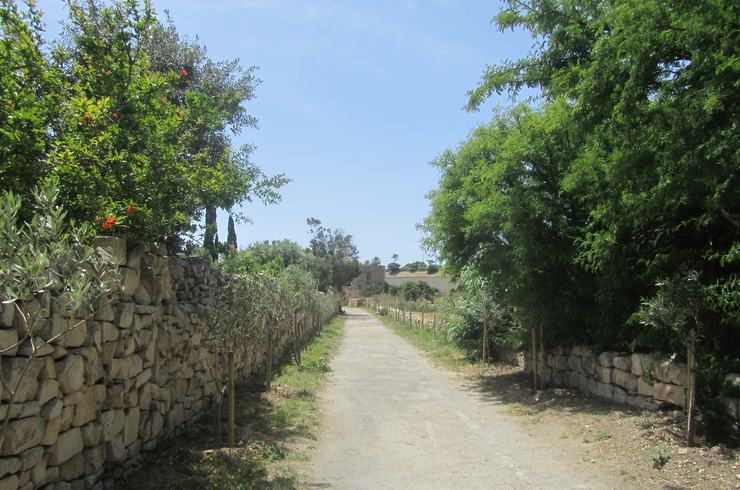
Explore Malta’s terrestrial environment — diverse landscapes, native plants, and land-based wildlife shaped by climate, geology, and human history.
Read guide
Explore Malta’s aerial and atmospheric environments — from bird migration and air quality to the ecological role of sky-bound ecosystems.
Read guide