
Simar Nature Reserve in Xemxija is to be the Maltese focus of a cross-border initiative examining how coastal wetlands can adapt to a changing climate. BirdLife Malta announced the WET_ADAPT project on 18 November 2026, following its launch at Salina Nature Reserve on 12 November.
With a budget of €1.16 million, the initiative is scheduled to run until February 2029. The European Regional Development Fund provides 80% of the funding through the Italia–Malta Interreg programme. The University of Malta, Italian conservation organisation LIPU and Pantelleria National Park are project partners.
Why the balance of salt and freshwater matters
Simar is both a Ramsar wetland and a Natura 2000 site. Its conservation challenge is not simply a shortage of water, but a changing balance between freshwater and dissolved salts. BirdLife Malta identifies increasing salinity as a threat to the habitats at the reserve.
When evaporation removes water, dissolved salts remain behind. If incoming freshwater does not compensate, a shallow wetland can become increasingly saline. Plant communities, invertebrates and the birds that depend upon them may respond differently to that change. A wetland can therefore still contain water while losing some of its ecological functions.
Research before intervention
The project will collect hydrological and ecological data, including measurements of salinity and water levels, to inform future management. The Sicilian work will include pilot sites at Saline di Priolo and Lago di Venere on Pantelleria.
For conservation managers, the important question is which interventions will improve the habitat without introducing new pressures. Monitoring across seasons can help distinguish temporary fluctuations from a more persistent shift in conditions. It can also help establish whether a later management intervention has actually improved the habitat.
What Nature Malta will be looking for
The announcement is a commitment to research and restoration, not evidence that Simar has already recovered. Future reporting should examine how measurements are made, what ecological targets are established, and whether habitat quality improves over the project period. Publishing comparable results would help residents understand the value of investment in Malta's increasingly vulnerable wetlands.
Simar also illustrates why protected-area boundaries cannot alone guarantee ecological resilience: water movement, surrounding land use and regional weather conditions can influence habitats well beyond the immediate reserve.
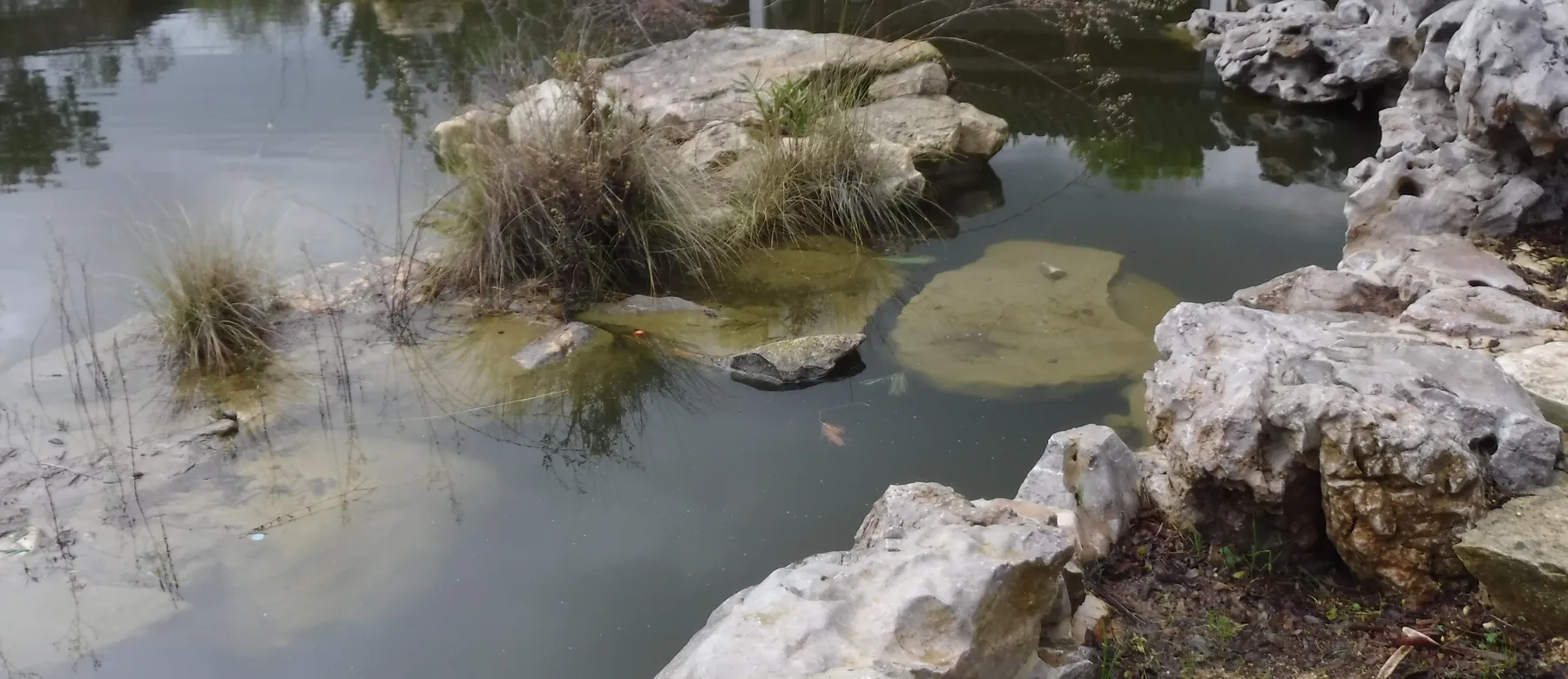
Illustrative freshwater habitat from the Nature Malta library; not a photograph of the Simar project.
Sources
More from Nature Malta
Explore the latest environmental reporting and research on the Maltese Islands.
Browse all News