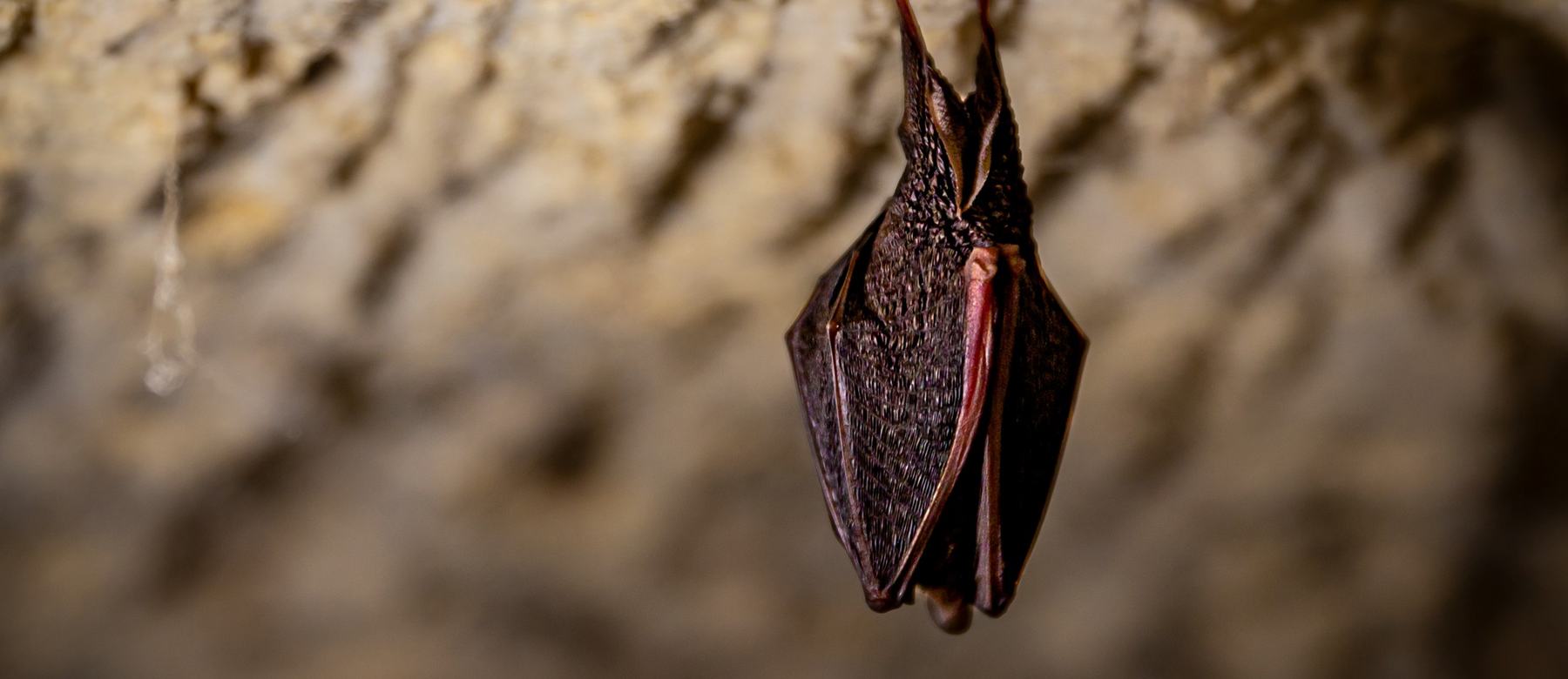
Malta has gained a role on the Standing Committee of EUROBATS after hosting the agreement's tenth Meeting of the Parties in Valletta from 10 to 13 November 2026. ERA reported the outcome on 17 November, identifying Marie Therese Gambin as Malta's representative on the committee.
The meeting brought together national delegations and conservation specialists to consider the future direction of the Agreement on the Conservation of Populations of European Bats. The international secretariat had identified emerging issues including renewable energy development, climatic changes and the safeguarding of important roosting sites.
Why bats deserve greater attention
Bats are an easily overlooked component of the Maltese Islands' wildlife because so much of their activity takes place after dusk. Insect-eating species contribute to food webs through their consumption of flying insects. Their dependence on both suitable roosts and feeding grounds means that conserving a single isolated site may not address all their needs.
Roosts can be found in different kinds of structures and natural cavities, depending on the species. Disturbance, inappropriate alterations to buildings, poorly designed lighting and deterioration of feeding habitat are therefore relevant considerations when managing the landscape.
Conservation beyond national borders
International collaboration allows researchers and authorities to exchange monitoring methods, compare threats and consider measures that extend beyond individual national programmes. This is particularly relevant for mobile species and for human activities that are being developed across the region.
Committee representation gives Malta an opportunity to participate in that continuing institutional work. It should not be confused with proof that any specific local conservation problem has been resolved, nor with the adoption of every draft proposal considered at the meeting.
What local conservation can achieve
Practical measures include protecting known roosts from unnecessary disturbance, preserving dark movement corridors and considering wildlife when lighting buildings or countryside paths. Where work may affect a roost, specialist advice should be sought before intervention.
Members of the public should avoid entering or disturbing places occupied by bats and should not handle wild bats. Observations can be shared with appropriate conservation authorities without publishing sensitive roost locations.
Nature Malta will follow the connection between the international agreement and practical conservation work on the islands, particularly the translation of policy into monitoring and habitat protection.
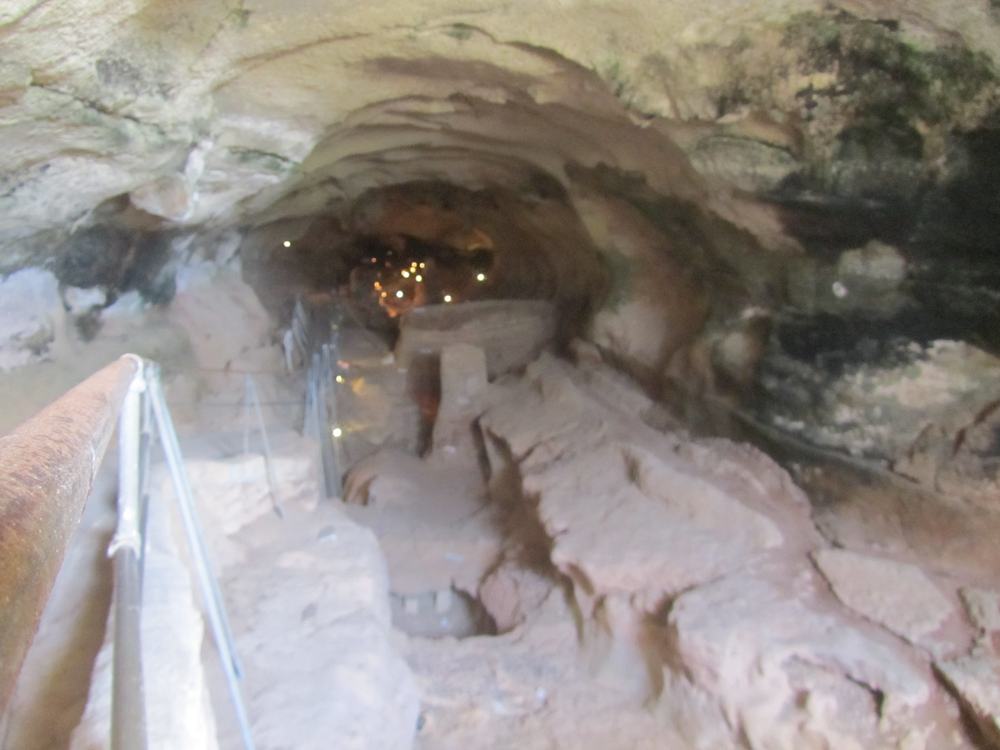
Illustrative Maltese cave photograph; no bat roost is identified or implied.
Sources
More from Nature Malta
Explore the latest environmental reporting and research on the Maltese Islands.
Browse all News