Efforts to repair a damaged strip of dune habitat at Għadira Nature Reserve received national recognition at the Sustainable Development Action Awards on 10 November 2026. BirdLife Malta's Shifting Sands initiative was selected for the Environment Award, with the Environment and Resources Authority subsequently confirming the recognition.
The work covers approximately 800 square metres alongside the reserve's eastern boundary. BirdLife Malta reports that invasive plants, notably giant reed and African boxthorn, had substantially altered the site. Removal has begun, and the restoration plan includes native planting, replacement fencing and information for visitors.
A living habitat rather than an empty beach
Sand dunes are frequently regarded as extensions of recreational beaches. Ecologically, however, they are distinct habitats in which wind, sand movement and specialised plants interact. Vegetation slows the movement of sand and provides shelter and food for organisms adapted to exposed coastlines.
The challenge is to preserve those natural processes rather than attempt to immobilise every grain of sand. A carefully managed dune can continue to change shape while maintaining the vegetation and wildlife that depend upon it.
Restoring native vegetation
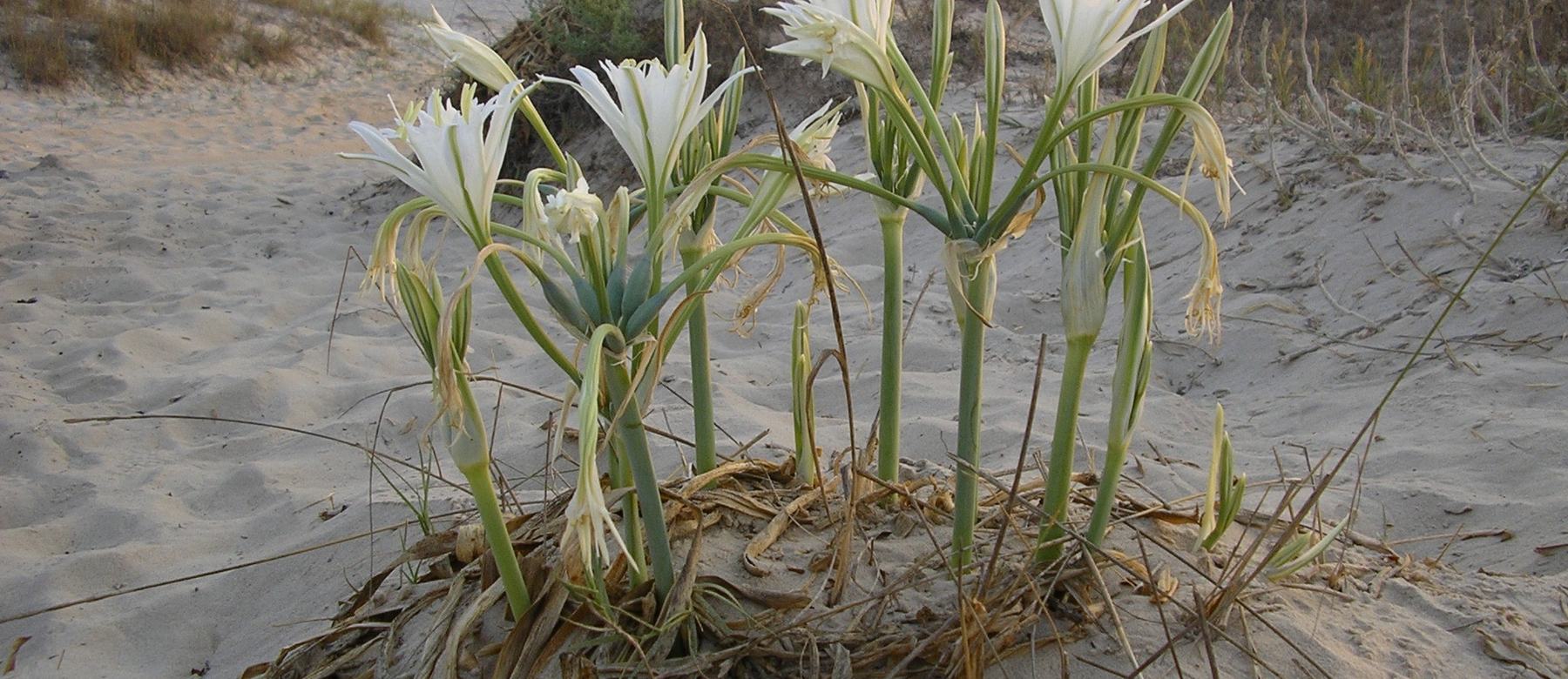
Among the species selected for planting are sea daffodil and sharp rush. The project also seeks to improve conditions for the giant sand cricket, Brachytrupes megacephalus, an insect associated with sandy habitats.
Clearing invasive growth is only the beginning. Follow-up management is important because disturbed ground can be recolonised by unwanted plants. Native planting must survive seasonal stress, and the recovery of specialist fauna may take longer than the visible improvement of the site.
Protection through everyday behaviour
Visitors can contribute by staying on designated routes, leaving fenced areas undisturbed and avoiding the removal of plants or sand. These simple practices reduce unnecessary pressure while allowing people to appreciate the habitat.
The award acknowledges the work undertaken, but long-term success should be assessed through ecological outcomes: the establishment of appropriate vegetation, control of reinvasion and evidence that the dune continues to support its characteristic wildlife. Għadira's project offers a practical example of the difference between merely protecting a location on paper and actively caring for its ecological condition.
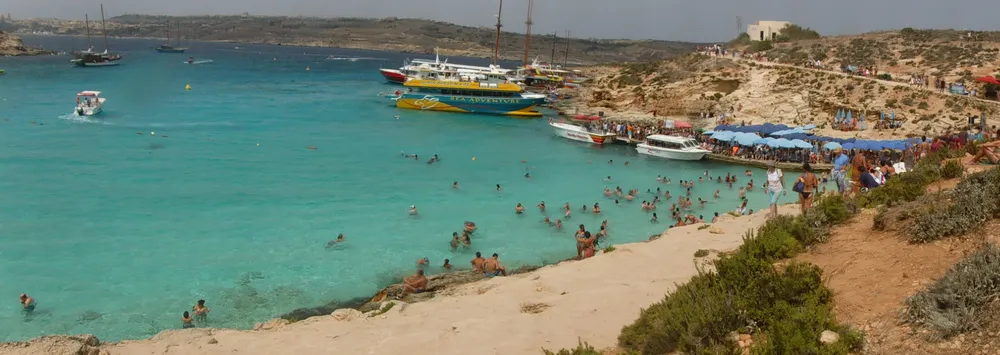
Illustrative Maltese coastal photograph; not an image of the Għadira restoration works.
Sources
More from Nature Malta
Explore the latest environmental reporting and research on the Maltese Islands.
Browse all News