Malta's Environment and Resources Authority has been meeting fishers at ports around Malta and Gozo as part of its marine conservation programme. In an update issued on 18 November 2026, ERA described discussions intended to explain the programme and identify opportunities for further collaboration with the fishing community.
The outreach forms part of Marine Conservation: An Inclusive Approach to Managing Marine Resources, an initiative with several participating public and conservation bodies. ERA's published project information gives the second phase a timetable from January 2026 to December 2028 and lists eligible public expenditure of approximately €4.62 million.
Bringing knowledge from the sea into conservation
People who work at sea encounter changes in marine conditions directly, often across different seasons and fishing grounds. Their observations can complement scientific surveys, although systematic research is necessary to distinguish trends from isolated experiences.
Consultation also helps conservation authorities understand the operational implications of proposed measures. An approach that combines scientific evidence with constructive engagement may identify practical ways to reduce environmental pressures while accounting for the realities of small-scale fishing.
Reducing harm to non-target species
The second phase envisages research to support fisheries management in marine protected areas and collaboration with small-scale fishers to reduce incidental catches of sensitive wildlife. Seabed disturbance and restoration of marine habitats are also included in its published scope.
Bycatch is an important example of a challenge that may benefit from joint experimentation. The effectiveness of a measure depends on the gear used, local circumstances and the species concerned. Testing and monitoring are essential before a particular approach can be considered successful.
Protected areas must deliver ecological results
Designation of marine protected areas is an important step, but management needs reliable evidence about conditions, human activities and the response of wildlife to protective measures. This is where a sustained relationship between researchers, authorities and sea users can be valuable.
The port meetings are evidence of stakeholder engagement, not a demonstration that marine populations have recovered. Subsequent reporting should evaluate the research delivered, measures tested, participation achieved and any measurable improvement in marine ecological conditions. The goal should be durable conservation outcomes rather than consultation alone.
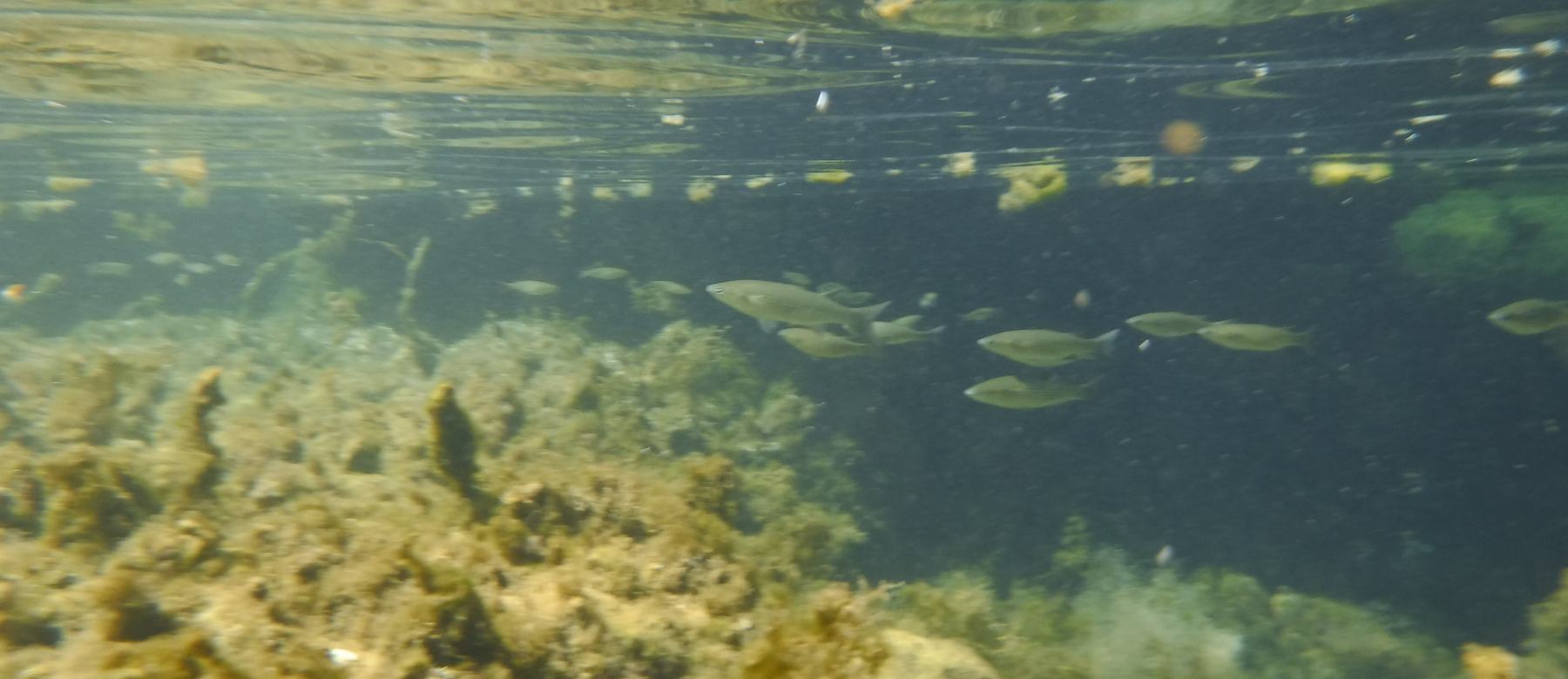
Illustrative underwater photograph from the Nature Malta library.
Sources
More from Nature Malta
Explore the latest environmental reporting and research on the Maltese Islands.
Browse all News